Foreign Policy Courses
Foreign policy courses can help you learn international relations, diplomatic strategies, conflict resolution, and the impact of global governance. You can build skills in negotiation tactics, policy analysis, and understanding geopolitical dynamics. Many courses introduce tools such as diplomatic simulation software, data analysis platforms for assessing global trends, and frameworks for evaluating international agreements, all of which enhance your ability to navigate complex global issues.
Popular Foreign Policy Courses and Certifications
 Status: Preview
O.P. Jindal Global University
Skills you'll gain: International Relations, Diplomacy, Political Sciences, Public Policies, Peer Review, Policy Development, Public Safety and National Security, Policy Analysis, Research, and Development, World History, Policy Analysis, Case Studies, Economics, Security Strategy
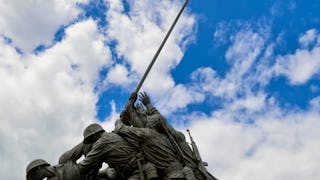 Status: Free Trial
O.P. Jindal Global University
Skills you'll gain: International Relations, Public Policies, Social Studies, Economics, Policy, and Social Studies, Political Sciences, Financial Policy, International Finance, Diplomacy, Economics, World History, Economic Development, European History, Policy Development, Policy Analysis, Public Affairs, Technology Strategies, Public Safety and National Security, Lobbying, Governance, Security Strategy
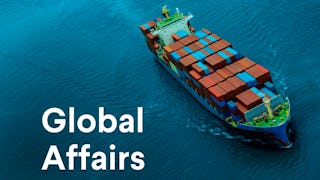 Status: Free Trial
Council on Foreign Relations
Skills you'll gain: International Relations, Diplomacy, World History, Political Sciences, Public Policies, International Finance, Economics, Policy, and Social Studies, Climate Change Programs, Public Health, Economic Development, Governance, Policy Development, Social Sciences, Environmental Issue, Socioeconomics, Policy Analysis, Research, and Development, Policy Analysis, Economics, Decision Making, Strategic Thinking
 Status: Free Trial
University of Michigan
Skills you'll gain: Policy Analysis, Research, and Development, Policy Analysis, Policy Development, Social Justice, Advocacy, Public Policies, Political Sciences, Health Policy, Social and Human Services, Social Impact, Economics, Policy, and Social Studies, Program Evaluation, Public Administration, Diversity Equity and Inclusion Initiatives, Problem Solving
 Status: Preview
University of London
Skills you'll gain: Diplomacy, International Relations, Political Sciences, Cultural Diversity, Intercultural Competence, Cultural Sensitivity, World History, Conflict Management, Policy Analysis
 Status: Free Trial
O.P. Jindal Global University
Skills you'll gain: Crisis Management, Negotiation, Mediation, Leadership Studies, Conflict Management, Leadership, Policy Analysis, Diplomacy, Leadership Development, Social Justice, Organizational Leadership, Ethical Standards And Conduct, Leadership and Management, Business Leadership, Public Policies, Emergency Response, Strategic Leadership, Public Administration, Community Organizing, Governance
What brings you to Coursera today?
 Status: Preview
O.P. Jindal Global University
Skills you'll gain: International Relations, Diplomacy, Political Sciences, World History, Policy Development, Social Sciences, Public Affairs, Policy Analysis, Public Safety and National Security, Economics, Case Studies, Governance, Security Strategy, Analytical Skills
 Status: NewStatus: Free Trial
University of Michigan
Skills you'll gain: Policy Analysis, Research, and Development, Community Organizing, Policy Development, Social Justice, Social Work, Public Policies, Sustainable Development, Sustainable Systems, Community Development, Community and Social Work, Political Sciences, Health Policy, Advocacy, Social Impact, Economics, Policy, and Social Studies, Policy Analysis, Sustainable Business, Strategic Leadership, Systems Thinking, Cultural Diversity
 Status: New
Skills you'll gain: International Finance, Economics, International Relations, Policy Analysis, Research, and Development, Economics, Policy, and Social Studies, Financial Policy, Public Policies, Supply And Demand
 Status: Free Trial
Council on Foreign Relations
Skills you'll gain: International Finance, Policy Development, Policy Analysis, Research, and Development, Crisis Management
 Status: Preview
The Hong Kong University of Science and Technology
Skills you'll gain: Political Sciences, Policy Development, Public Policies, Policy Analysis, Economics, Policy, and Social Studies, Social Sciences, International Relations, Socioeconomics, Economics, Economic Development, Governance, Culture

 Status: Free Trial
University of Michigan
Skills you'll gain: Statistical Analysis, Policy Analysis, Research, and Development, Program Evaluation, Policy Analysis, Data Analysis, Statistical Methods, Public Policies, Statistical Hypothesis Testing, Statistical Programming, Analytics, Policy Development, Data Analysis Software, Analytical Skills, Statistical Software, Forecasting, R Programming, Research Design, Time Series Analysis and Forecasting, Statistical Inference, Ggplot2
What brings you to Coursera today?
In summary, here are 10 of our most popular foreign policy courses
- Power and Foreign Policy in International Relations: O.P. Jindal Global University
- The Making of US Foreign Policy: O.P. Jindal Global University
- Global Affairs Explained: Council on Foreign Relations
- Using Public Policy for Social Change: University of Michigan
- Global Diplomacy – Diplomacy in the Modern World: University of London
- Leadership and Society: O.P. Jindal Global University
- Foreign Policies of Great, Middle, and Small Powers: O.P. Jindal Global University
- Social Impact & Public Policy: University of Michigan
- International Economic Policy: Pearson
- Global Affairs Explained: Managing the International System: Council on Foreign Relations










